

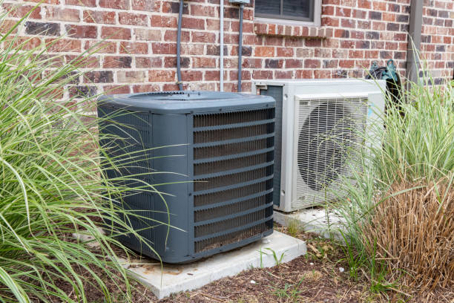
Many Woodland Hills homeowners start looking at mini splits after one too many summer days with a hot master bedroom and a central system that never seems to shut off. The thermostat says 74, but the upstairs feels ten degrees hotter, and the electric bill keeps climbing. At that point, the question usually becomes simple: stick with a traditional HVAC system again, or switch to ductless mini splits.
This is not a small decision. It affects how comfortable your home feels during San Fernando Valley heat waves and what you pay the utility every month. You might have already heard strong opinions on both sides, from online forums to contractors who only install one type of system. What you need is a clear, practical way to compare mini splits and traditional HVAC for a Woodland Hills home like yours.
At All Temperatures Controlled, Inc., we have been installing and repairing HVAC systems across the San Fernando Valley since 1978, and our team holds Daikin Comfort Pro status with advanced training on ductless and high efficiency systems. We work with ducted and ductless equipment every day, so we see where each one shines and where it falls short. In this guide, we walk through how mini splits and traditional HVAC really compare in Woodland Hills, so you can move forward with better information.
How Woodland Hills Homes Stress Your Cooling System
Woodland Hills is one of the hottest areas in the San Fernando Valley. Long cooling seasons and frequent 90°+ days mean air conditioners work hard most of the year, while heating plays a minor role. Any inefficiency in equipment, ductwork, or controls quickly shows up as high electric bills and uneven indoor temperatures.
- Housing Layout Challenges — Many homes are single-story ranches with ductwork running through hot attics. Others have second-story additions, enclosed patios, converted garages, or ADUs added after the original HVAC installation. These additions often have marginal duct runs, leaving rooms warmer than the thermostat indicates.
- Common Comfort Patterns — Central systems may keep downstairs areas comfortable while upstairs bedrooms or home offices remain hot. Afternoon sun can make certain spaces uncomfortable when you need them most.
- Efficiency Matters — In this climate, efficiency is more than a brochure number. It determines whether a system keeps up on extreme heat days or runs constantly without ever reaching the desired temperature. This context is critical when choosing between a mini-split or traditional HVAC system.
Understanding how Woodland Hills homes strain cooling systems helps us design and maintain solutions that keep your home comfortable and energy-efficient year-round.
Mini Split vs Traditional HVAC: The Core Differences
To compare options fairly, it helps to understand what each system actually is. A ductless mini split uses an outdoor unit connected by small refrigerant lines to one or more indoor units. Each indoor unit serves a room or zone directly, blowing air into that space without using a full home duct network. The indoor units are often wall mounted, ceiling cassettes, or small concealed air handlers, all tied back to the same outdoor condenser.
A traditional central HVAC system uses a single indoor air handler or furnace with an evaporator coil, connected to an outdoor condenser. Cooled air is pushed through a duct system that branches to supply registers in each room. One main return or several returns pull air back to the system. A single thermostat usually controls the entire home, telling the system when to cycle on and off.
Another key difference is how the equipment runs. Most ductless mini splits use inverter driven compressors that can ramp their output up or down to match the cooling load more closely. Many older central systems in the Valley are single stage, meaning they are either on at full output or off, which can lead to more temperature swings. Newer central systems can also use two stage or variable speed equipment, which narrows that gap, but they still share air through ducts rather than conditioning rooms directly.
Because we are a Daikin Comfort Pro contractor, we work with inverter driven ductless systems regularly and also install high efficiency central systems. That mix lets us see real performance in Woodland Hills homes, not just lab test results. The rest of this guide builds on these basic differences and shows how they play out in efficiency, installation, comfort, and cost.
Energy Efficiency and Utility Bills in Woodland Hills
Energy efficiency is often a top concern, especially when summer electric bills arrive. Both mini splits and traditional HVAC systems list cooling efficiency using SEER2 ratings, which estimate the amount of cooling per unit of electricity over a season. Higher SEER2 means lower energy use under standard test conditions.
Why Mini Splits Can Save More:
- No duct losses – Mini splits deliver air directly to rooms, avoiding long duct runs in hot attics where older ducts may leak or be poorly insulated.
- Inverter-driven operation – Instead of cycling full-on and off, mini splits adjust output continuously, reducing energy waste and keeping room temperatures more stable.
Central HVAC Efficiency:
- Newer central systems with high SEER2 condensers, tight ducts, and properly sealed returns can also perform efficiently.
- Homes with ducts in conditioned spaces or well-insulated attics face fewer losses, making high-efficiency central units a solid choice when homeowners prefer hidden equipment over wall-mounted units.
Our Approach:
- At All Temperatures Controlled, Inc., we evaluate more than just SEER2 ratings.
- We consider duct condition, attic temperatures, and your actual usage to recommend the system that will run efficiently in real-world conditions.
- Proper installation and tuning can make a moderate-efficiency system outperform a poorly installed high-SEER2 unit.
This approach ensures your Woodland Hills home stays comfortable while keeping energy bills in check.
Installation, Retrofits, and Disruption to Your Home
The way a system fits into an existing home often drives the decision more than the equipment itself. If your Woodland Hills home already has ductwork in reasonably good shape, replacing a central system can be straightforward. We typically remove the old air handler or furnace and condenser, set the new equipment, adjust or seal ducts as needed, and tie into the existing registers. The work stays mostly in the attic, garage, and outside, with limited disruption to finished spaces.
The picture changes when ducts are failing, undersized, or missing. In many older homes, we find duct runs that are kinked, uninsulated, or patched together from several remodels. If we discover that the ducts cannot deliver enough air or are leaking badly, simply swapping the equipment will not solve comfort or efficiency problems. Replacing or adding ducts can mean cutting access openings, working extensively in hot attics, and sometimes modifying framing or soffits.
Ductless mini splits avoid some of those complications by skipping full home ducts. A typical installation involves mounting indoor units on walls or ceilings, running small refrigerant lines and condensate drains through walls, and placing an outdoor unit on a pad or brackets. The work is surgical compared to full duct replacement. There is still planning involved, such as finding clean line set routes and suitable outdoor locations that match code and property constraints, but we are not opening ceilings throughout the home to add major duct trunks.
This is why mini splits can be a strong fit for additions, ADUs, and converted garages in Woodland Hills. Those spaces often lack any ductwork or are served by a single undersized branch from the main system. Rather than trying to extend marginal ducts even further, we often recommend a dedicated mini split for that area. It gives you independent control and avoids overloading an already stressed central system.
Because we have been working in San Fernando Valley attics, crawlspaces, and remodels since 1978, we have seen just about every installation challenge. During an in home visit, we walk you through what installation for each option would actually look like, from where lines might run to how much access we need. That level of detail helps you understand the tradeoffs behind each choice, not just the equipment brochure.
Comfort, Zoning, and Everyday Use
For most homeowners, comfort is what they feel hour by hour, not what a label on the outdoor unit says. Traditional central HVAC distributes cooled air from one air handler through ducts to many rooms. A single thermostat, usually in a hallway downstairs, measures temperature and tells the system when to run. In a one story Woodland Hills home with decent ducts and insulation, this can work very well, keeping temperatures even across most rooms.
In two story homes or houses with additions, the story is different. Heat rises, sun exposure varies, and air has to travel farther to some rooms than others. It is common to see upstairs bedrooms running several degrees hotter than the thermostat setting or a west facing home office baking in the afternoon. You can partially address this with duct adjustments, returns, and balancing, but there are limits when one system and thermostat control everything.
Mini splits handle this another way. Each indoor unit conditions the room or zone it serves and has its own temperature setting. This creates true zoning. You can keep the master bedroom cooler at night, set the downstairs slightly warmer when you are not using it, or cool a home office during the day without running the entire house at that level. In a Woodland Hills climate with long, hot afternoons, that flexibility often translates to better comfort and sometimes lower energy use if you do not need every room cold all day.
There are tradeoffs to consider. Many mini splits use wall mounted indoor units, which some homeowners find visually intrusive. Ceiling cassettes and small ducted mini split air handlers offer more flexible aesthetics, but they can add cost and may need more ceiling space or access. Noise levels are usually low on both modern central and mini split systems, but the sound profile is different, with smaller indoor fans in each zone instead of one central blower.
We regularly design central systems with improved duct layouts and returns and also install multi zone mini splits. In many Woodland Hills homes, a hybrid approach works well, such as central HVAC for the main house and a mini split for a bonus room or converted garage. When we walk through your home, we focus on how you actually live in the space, which rooms give you trouble now, and how each system type would feel from day to day.
Upfront Costs vs Long Term Value
Cost is where a lot of online discussions about mini splits vs HVAC go off track. A single zone mini split that serves one room or a small suite often compares well against the cost of extending ducts or upsizing a central system just to handle that one area. Installation is usually more contained, and the higher efficiency can help offset the investment over time, especially if that zone would otherwise require heavy use of the main system.
Using mini splits across an entire home is more complex. A multi zone system with several indoor units and one outdoor unit, or multiple single zone systems, can add up quickly. In some cases, the installed cost for whole home ductless can approach or exceed a high quality central system replacement, particularly if you choose ceiling cassettes or concealed units instead of wall mounts. That does not mean ductless is a bad option. It means the cost comparison has to be made on a room by room and duct condition basis, not just equipment price.
The state of your ducts is a major factor. If your Woodland Hills home already has ductwork that is tight, insulated, and sized reasonably, a central upgrade can deliver strong comfort at a more modest cost than replacing or redesigning everything. If the ducts are undersized, leaky, or poorly laid out, the quote for fixing or replacing them may narrow the price gap with a multi zone mini split solution. We walk through those cost shifts openly so you see where each dollar goes.
Maintenance also affects long term value. Central systems need regular filter changes, coil cleaning, and annual tune ups to keep efficiency up and reduce wear. Mini splits need similar attention, and their indoor units have filters and coils that tend to collect dust and need periodic cleaning. Neglecting either type cuts into efficiency and comfort over time. That is why we offer our Service Partner Plan for annua tune ups, which helps keep whichever system you choose running closer to its rated performance and reduces the likelihood of surprise breakdowns.
Financing can help align long term value with your current budget. At All Temperatures Controlled, Inc., we offer financing options for system replacements and major repairs, which can make higher efficiency central or ductless systems accessible even if their upfront cost is higher than a minimum spec replacement. This way, you can consider the full life cycle cost, including energy and maintenance, instead of picking a system solely on the lowest initial quote.
Which Option Fits Your Woodland Hills Home Best
By this point, you can see there is no single right answer. The better question is which system type fits your specific home and how you use it. For example, consider an older single story Woodland Hills home with original ducts in a hot attic, visible leaks, and rooms that never quite match the thermostat. In that case, a ductless mini split system for key zones or even a full ductless design can often deliver better comfort and efficiency than pouring money into failing ducts.
Now take a newer home with well laid out, insulated ducts and a central system that has simply aged out or become unreliable. If comfort is generally good and you are happy with how the air distributes, upgrading to a high efficiency central HVAC system usually makes more sense. You take advantage of existing infrastructure and gain better performance without adding multiple visible indoor units.
Another common scenario in Woodland Hills is a home adding an ADU, studio, or converting a garage into living space. Extending the central system might demand running new ducts through tight spaces and can overload the existing equipment, especially during heat waves. In many of these projects, we recommend a dedicated mini split for the new space. It provides precise control, avoids stressing the main system, and can be shut off when that area is not in use.
These examples highlight how the same technologies can lead to different answers depending on layout, duct condition, comfort expectations, and budget. As a licensed HVAC contractor with strong ratings and many verified reviews, our role is to examine your home, run proper load calculations, look at your ducts, and then compare mini split vs HVAC options side by side. That way you see a recommendation grounded in your actual house, not in generic rules.
Get a Mini Split & HVAC Assessment for Your Woodland Hills Home
Choosing between a mini split and a traditional HVAC system in Woodland Hills comes down to more than liking the look of an indoor unit or chasing the highest SEER2 number. It depends on how your home is built, how the rooms are used, how your ducts perform today, and what you want from your system over the next decade. Once those pieces are clear, the better option usually becomes much easier to see.
During an in home assessment, we walk through your spaces, inspect existing equipment and ductwork, listen to where you are uncomfortable now, and then outline how a central system, mini splits, or a hybrid approach would address those issues. We also review installation impacts and financing choices so you can weigh upfront cost against long term value. When you are ready to compare mini split vs HVAC options for your Woodland Hills home with clear, local insight, call All Temperatures Controlled, Inc..